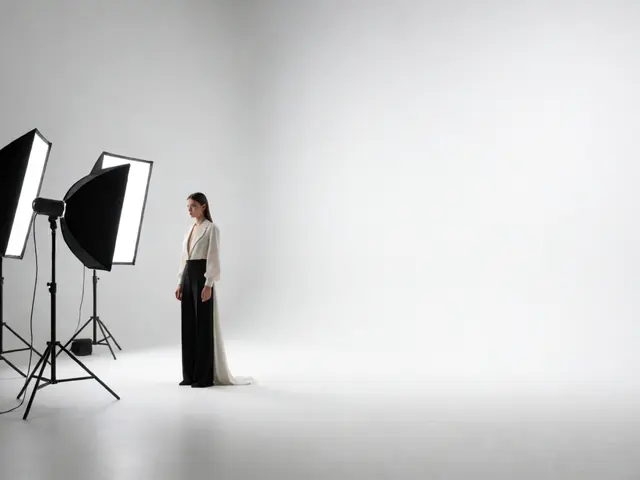
You’ve just landed a dream shoot. The client is excited, the budget is approved, and you’re ready to grab your camera. But then it happens: they send three contradictory reference images, ask for "moody but bright" lighting, and forget to mention the venue has no power outlets until two days before the shoot. Sound familiar? This chaos isn’t bad luck; it’s a failure in client onboarding. For photographers, this phase is where projects succeed or spiral into scope creep. It’s not just about being polite-it’s about building a system that captures exactly what the client wants before you ever press the shutter.
If you treat onboarding as an afterthought, you’re essentially gambling with your time and reputation. A solid process relies on two critical tools: the questionnaire and the creative brief. These aren’t bureaucratic hoops to jump through; they are your shield against misunderstandings. Let’s break down how to use them effectively so you spend less time explaining why the photos look different than expected and more time actually shooting.
Why Standard Contracts Aren’t Enough
Most photographers rely heavily on their contract. They assume that signing a document locks in the vision. But here’s the reality: contracts define legal boundaries (who gets paid, who owns the copyright), while questionnaires and briefs define creative boundaries. You can legally own the rights to a photo, but if the client hates the color grading because you didn’t ask what their brand palette was, you still lose the relationship.
A contract says, "I will deliver 50 edited images." A brief says, "The 50 images must feature natural light only, no heavy retouching on skin textures, and must match the client’s existing Instagram aesthetic." See the difference? One protects your wallet; the other protects your sanity. Skipping the detailed intake process often leads to the "I thought it would look like this" conversation during delivery, which usually ends with extra rounds of edits at no cost to you.
The Intake Questionnaire: Gathering Raw Data
Your first step after booking is sending out a structured intake questionnaire. This isn’t a casual email asking, "What do you want?" That open-ended approach invites vague answers like "pretty" or "professional," which mean nothing to a visual artist. Instead, you need specific, closed-ended questions mixed with a few strategic open ones.
Focus on gathering concrete data points. Ask about the end-use of the images. Are these for a billboard, an Instagram story, or a website hero section? The resolution requirements and aspect ratios differ wildly between these mediums. If a client wants images for print, you need higher megapixels and stricter focus standards than if they’re just posting on social media. By knowing this upfront, you adjust your camera settings and lens choice accordingly.
Another crucial area is logistics. Don’t just ask "Where?" Ask "Who will be present?" and "What are the access constraints?" Knowing that a corporate headshot session involves twelve employees with tight schedules tells you you need a fast, efficient workflow. Knowing a wedding involves elderly relatives with mobility issues tells you you need to plan seating arrangements carefully. These details change your gear bag and your mental prep long before you arrive on location.

Crafting the Creative Brief: Aligning Visions
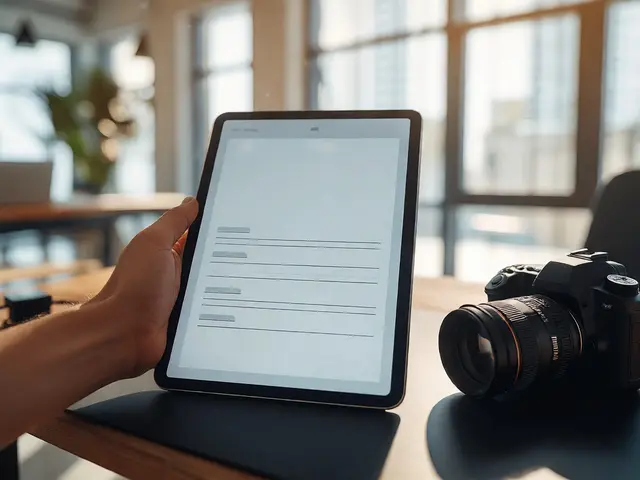
Once you have the raw data from the questionnaire, you synthesize it into a creative brief. This document is the bridge between their words and your visuals. It should be short-one page max-and highly visual. Text alone fails when describing aesthetics. Words like "modern" or "classic" are subjective traps.
To avoid this, include a mood board section. Ask clients to provide five images they love and five they hate. This negative space definition is often more powerful than positive examples. If they hate cluttered backgrounds, you know to scout locations with clean lines. If they love high-contrast black and white, you know to prepare for strong directional lighting. When you present the brief back to them, you’re saying, "Here is my interpretation of your needs. Do I have this right?" Getting a simple "Yes" on this document saves you hours of re-editing later.
| Feature | Intake Questionnaire | Creative Brief |
|---|---|---|
| Purpose | Gather facts, logistics, and preferences | Align visual direction and scope |
| Timing | Sent immediately after booking | Created by photographer, sent for approval 1-2 weeks pre-shoot |
| Format | Digital form (Typeform, Google Forms) | PDF or shared doc with image references |
| Key Output | Data list (dates, locations, contacts) | Visual agreement (mood board, shot list) |
| Risk Mitigation | Prevents logistical surprises | Prevents aesthetic disagreements |
Automating the Process Without Losing the Human Touch
You might worry that sending forms feels robotic. Clients hire photographers for connection, not paperwork. The trick is automation with personalization. Use tools like HoneyBook or Studio Ninja to automate the initial dispatch, but always add a personal video message or voice note when you send the link. Say something like, "Hey Sarah, really looking forward to this! I sent over a quick form to help me prep. Take your time answering-I want to make sure we nail the vibe."
This small gesture reminds them there’s a human behind the screen. Furthermore, don’t overwhelm them with twenty questions. Stick to ten essential ones. If you need more info, ask during a follow-up call. People abandon long forms. Keep it concise, relevant, and easy to fill out on a mobile device. Most clients will answer your questionnaire on their phone while waiting for coffee. Make sure your form is mobile-friendly, or you’ll get incomplete responses.
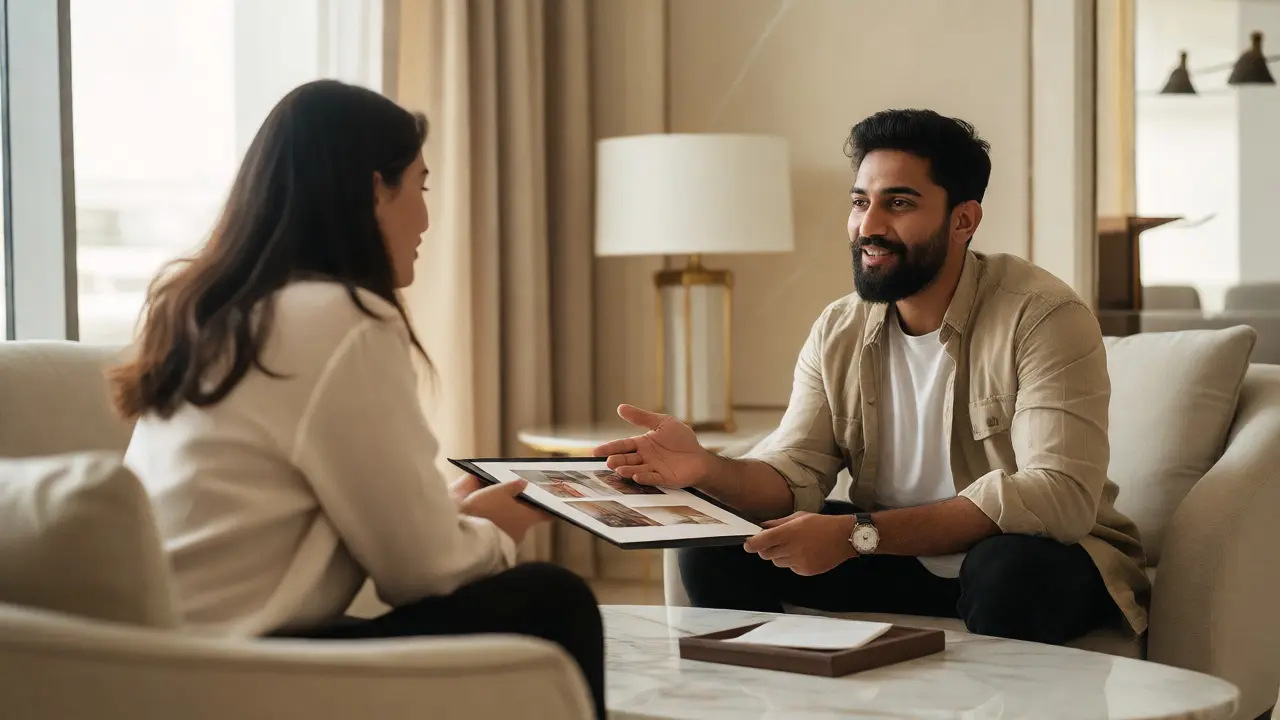
Handling Difficult Clients and Scope Creep
Not every client knows what they want. Some are indecisive; others think they know everything. Your questionnaire helps identify these personality types early. If someone gives conflicting answers-like wanting "candid shots" but also demanding "perfectly posed group photos"-flag it. Address it in the brief. Write clearly: "We will prioritize candid interactions, but we will reserve 15 minutes for directed posing."
Scope creep often starts during onboarding. A client might say, "Oh, we also need drone footage," halfway through the project. If your brief explicitly lists deliverables as "stills only," you have leverage. You can say, "That’s outside our agreed brief. We can add drone coverage for an additional fee." Having this written agreement removes the awkwardness of negotiating money mid-project. It turns a potential conflict into a simple business transaction.
The Post-Shoot Check-In
Onboarding doesn’t end when the shoot does. A final check-in reinforces the trust you built. After delivering the first few proof images, ask, "Does this align with the brief we created?" This gives them a chance to course-correct before you edit all 500 raw files. It shows professionalism and care. Many photographers skip this, assuming the job is done once the files are uploaded. But this last touchpoint ensures they feel heard and validated, increasing the likelihood of referrals and repeat business.
Remember, your goal isn’t just to take pictures. It’s to solve a problem for your client. Whether that problem is needing a new website header or capturing their child’s birthday, the quality of your solution depends on how well you understood the problem initially. Invest time in your questionnaires and briefs. Refine them after every shoot. Did a certain question confuse people? Change it. Did a specific format lead to better clarity? Keep it. Over time, you’ll build a proprietary system that makes your studio run smoother and your clients happier.
How many questions should a photography questionnaire have?
Aim for 8-12 targeted questions. Too few leaves gaps in information; too many causes fatigue and lower completion rates. Focus on questions that directly impact your shooting style, gear selection, or timeline.
Should I charge for creating a creative brief?
Generally, no. Include the creation of the brief in your base package price. It is part of your professional service. However, if a client requests multiple revisions to the brief itself or changes the scope significantly after approval, you may charge hourly for additional consultation time.
What software is best for client onboarding?
Tools like HoneyBook, Studio Ninja, and ShootProof offer integrated onboarding features. For simpler setups, Typeform or Google Forms combined with a PDF template for the brief works perfectly fine. Choose based on your volume of clients and budget.
How do I handle clients who ignore the questionnaire?
Send a friendly reminder linked to a consequence. For example, "Please complete the form by Friday so we can finalize the shot list." If they still don't respond, schedule a 15-minute call to go through it together. Never assume silence means agreement.
Is a mood board necessary for every shoot?
For commercial and branding shoots, yes. For weddings or family portraits, a lighter version is sufficient. Even three reference images can prevent major aesthetic mismatches. It’s a low-effort, high-reward tool for alignment.