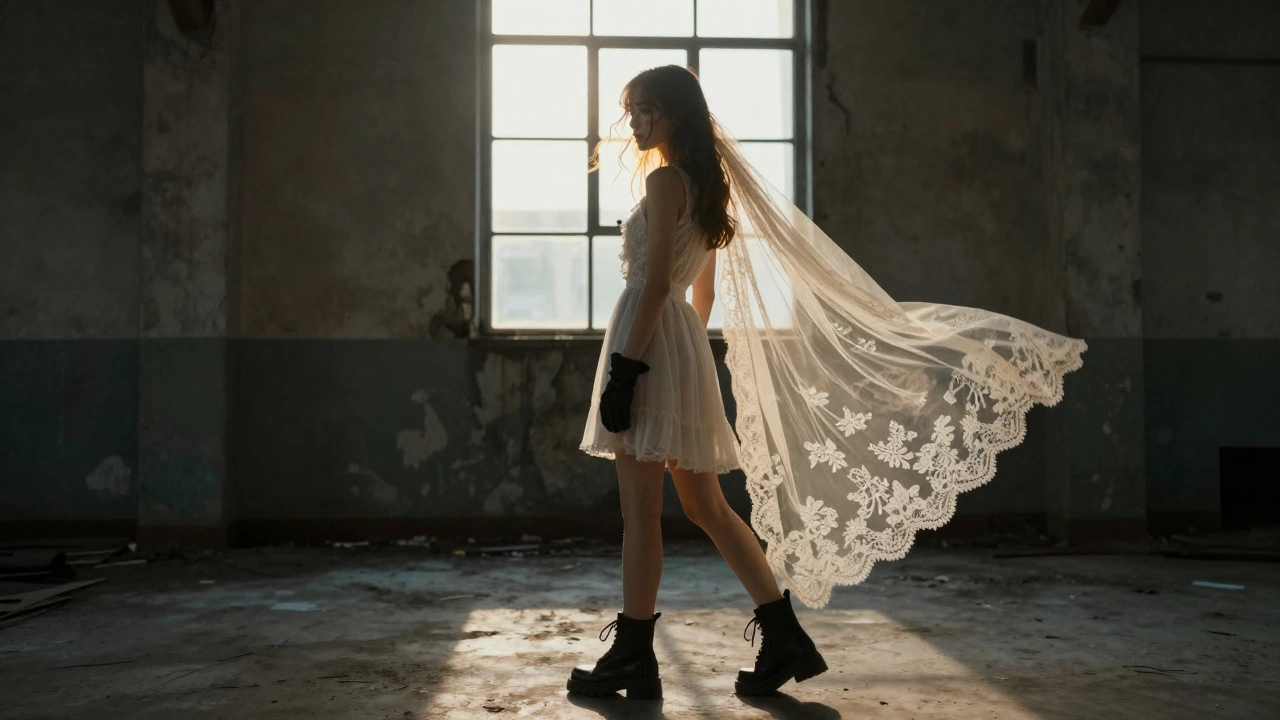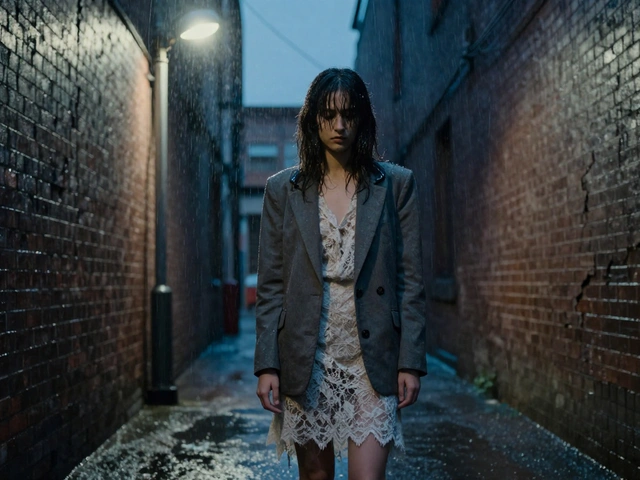
Editorial fashion photography isn’t about selling a dress. It’s about making you feel something - loneliness in a storm, rebellion in silk, or quiet power in a single black glove. Unlike commercial shoots that scream "buy this," editorial work whispers a story. It lives in the pages of Vogue, Harper’s Bazaar, and niche online magazines - where images carry the weight of an entire article, sometimes without a single word.
What Makes Editorial Different?
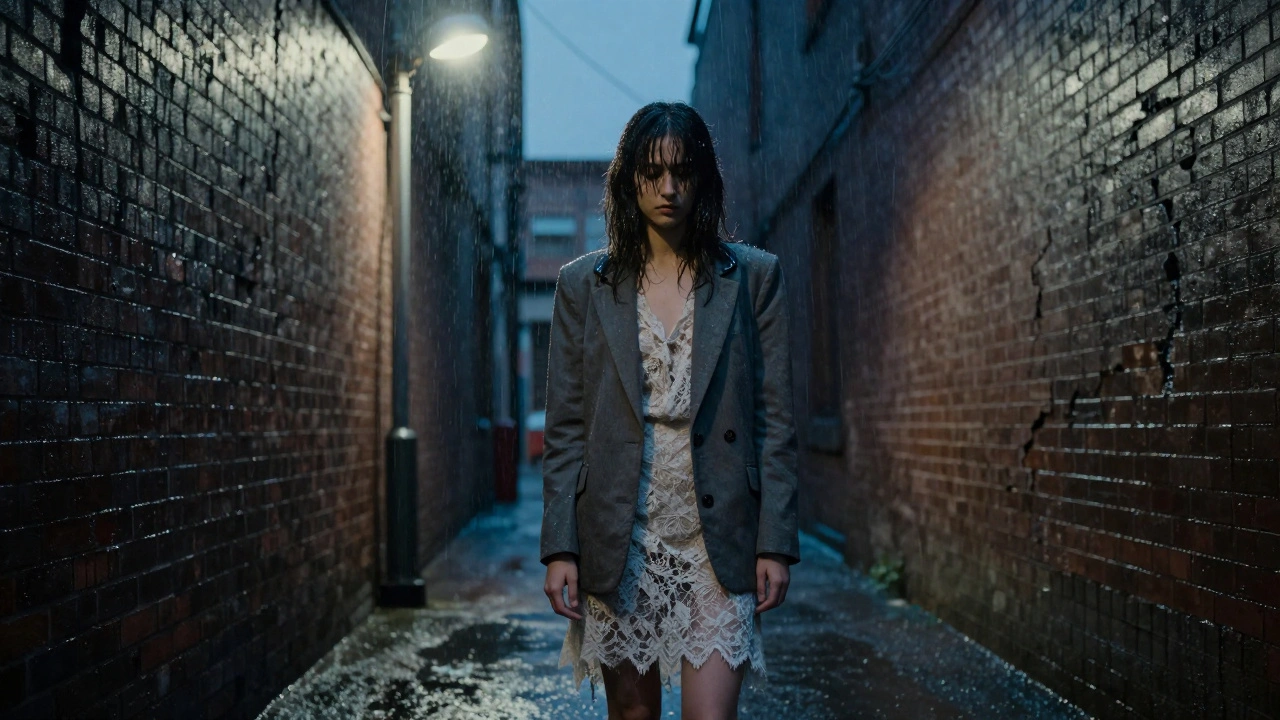
Think of commercial fashion photography as a billboard. Clean lighting. Perfect skin. The jacket is the star. Editorial? It’s a short film. The clothes are just one character in a larger cast. A model’s gaze, the way rain slicks a coat, the shadow of a broken window across a silk blouse - these details build the mood. You don’t need to know the brand to feel the emotion. This isn’t just aesthetics. It’s intentional chaos. A stylist might pair a structured 1980s shoulder pad with a tattered lace skirt. A photographer might use a single candle to cast long shadows across a model’s face. The goal isn’t perfection - it’s truth. Not the kind you find in a skincare ad, but the kind that lingers in your chest after you look away.The Four Phases of an Editorial Shoot
There’s a rhythm to this work. It doesn’t happen in a day. It builds over weeks.- Concept Development - It starts with a word. Maybe "isolation," "futurism," or "memory." The editor gives it. The photographer twists it. You ask: What does loneliness look like in velvet? What does rebellion sound like in leather? This phase is where the soul of the shoot is born.
- Pre-Production - Now you build the world. Location scouting isn’t just finding a cool alley. It’s asking: Does this brick wall feel like a prison or a sanctuary? You gather your team - stylist, makeup artist, hair, model - and show them your mood board. No more guessing. Everyone sees the same vision.
- Shoot Day - This is where everything cracks open. Lighting shifts. The wind changes. The model’s mood shifts. You adjust. A sleeve falls wrong? You fix it. A cloud covers the sun? You grab a reflector. Flexibility isn’t optional - it’s the heartbeat of editorial work.
- Post-Production - Editing shouldn’t rewrite the story. It should sharpen it. You remove a stray thread, boost the contrast on a shadow, mute a color that distracts. But you never turn a raw, emotional shot into a glossy ad. That would betray the whole point.
Mood Boards: The Secret Language of Vision
A mood board isn’t a Pinterest collage. It’s a compass. You start with images - a photo of a 1970s protest march, a still from a David Lynch film, the texture of cracked paint on a Berlin wall. Then you add fabric swatches, color chips, handwritten poetry, even song lyrics. You include a photo of a model’s eyes from a past shoot because they held exactly the right kind of defiance. Why? Because words like "moody" or "edgy" mean nothing to a makeup artist. But if you show them a photo of a model with smudged kohl and a single tear of red lipstick, they know what to do. The mood board becomes the shared language between photographer, stylist, and model. No meetings. No long emails. Just a silent understanding.Styling That Tells a Story
Styling in editorial isn’t about matching. It’s about clashing - on purpose. You might put a tailored men’s blazer over a tattered ballgown. Or pair chunky combat boots with a delicate lace veil. The contrast creates tension. That tension tells the story. Color matters too. A muted palette of slate gray and faded rose doesn’t just look pretty - it says "grief." A burst of neon yellow and electric blue? That’s chaos. Energy. Rebellion. Accessories aren’t afterthoughts. A single silver ring, worn on the wrong finger. A scarf tied too tight. A hat tilted just so. These tiny choices are the punctuation in the story. They’re the periods and commas in a sentence you didn’t write.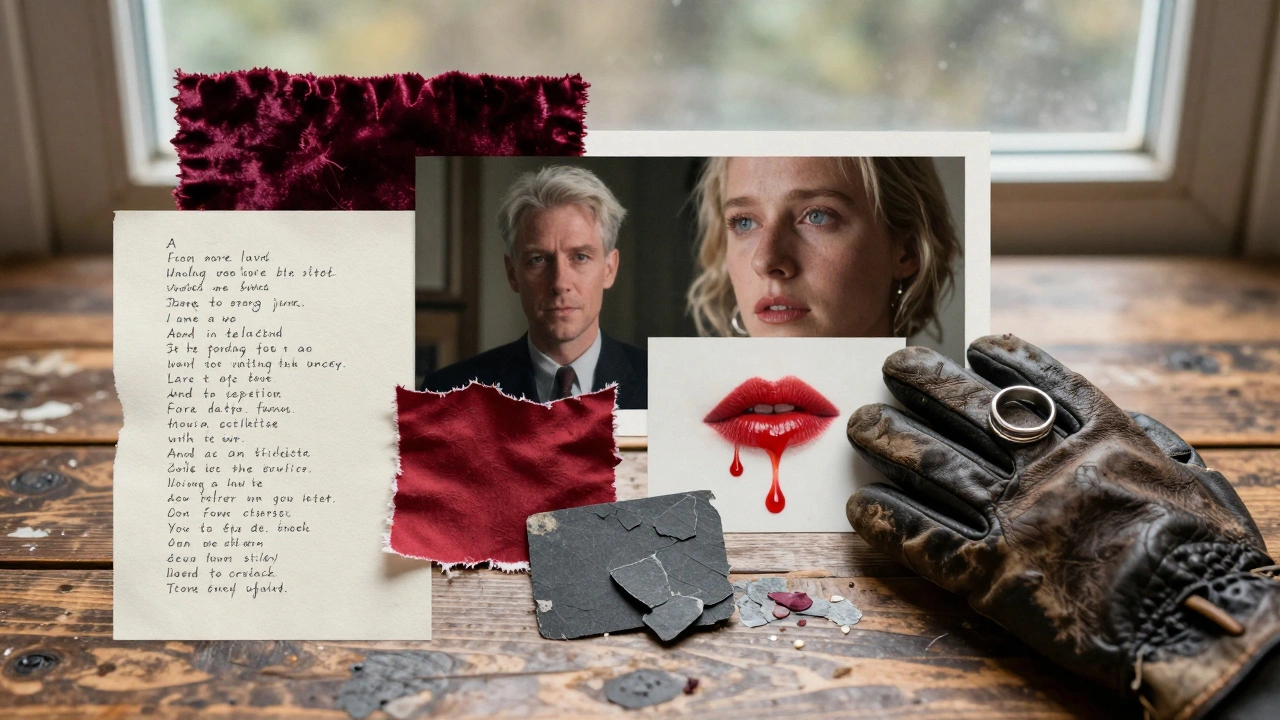
Lighting: Mood in Shadows
Natural light is beautiful. But it’s predictable. Editorial lighting is surgical. You use a single spotlight to carve a face out of darkness. You drape colored gels over lamps to turn a white wall into a bruised purple sky. Backlighting a model so their hair glows like a halo - that’s not just pretty. It’s sacred. Side lighting? It doesn’t just show the fabric. It shows the weight of it. The way a coat drapes over a shoulder tells you more than a hundred words about the character. You don’t just light the model. You light the emotion.Posing: Movement as Meaning
A model standing still? That’s a catalog shot. In editorial, movement is the voice. You ask them to walk - not gracefully, but with purpose. You tell them to turn their head slowly, like they’re hearing something far away. You have them grip the edge of a table like they’re holding on for dear life. Facial expression is everything. A half-smile that doesn’t reach the eyes? That’s betrayal. A blank stare into the distance? That’s loss. You don’t say "smile." You say, "Think of the last time you said goodbye and didn’t know it was the last time."Why Small Details Matter
You’ve seen the final image. It looks effortless. But the work happens in the quiet moments. The way a glove is pulled halfway off a hand. The angle of a belt buckle catching the light. The single strand of hair clinging to a model’s cheek because the wind didn’t cooperate. These aren’t accidents. They’re deliberate. A stylist will spend 20 minutes adjusting the fold of a sleeve because a slight twist changes the whole mood. A photographer will reshoot a frame because the model’s wrist was turned 5 degrees too far. It’s not perfection they’re chasing. It’s authenticity.