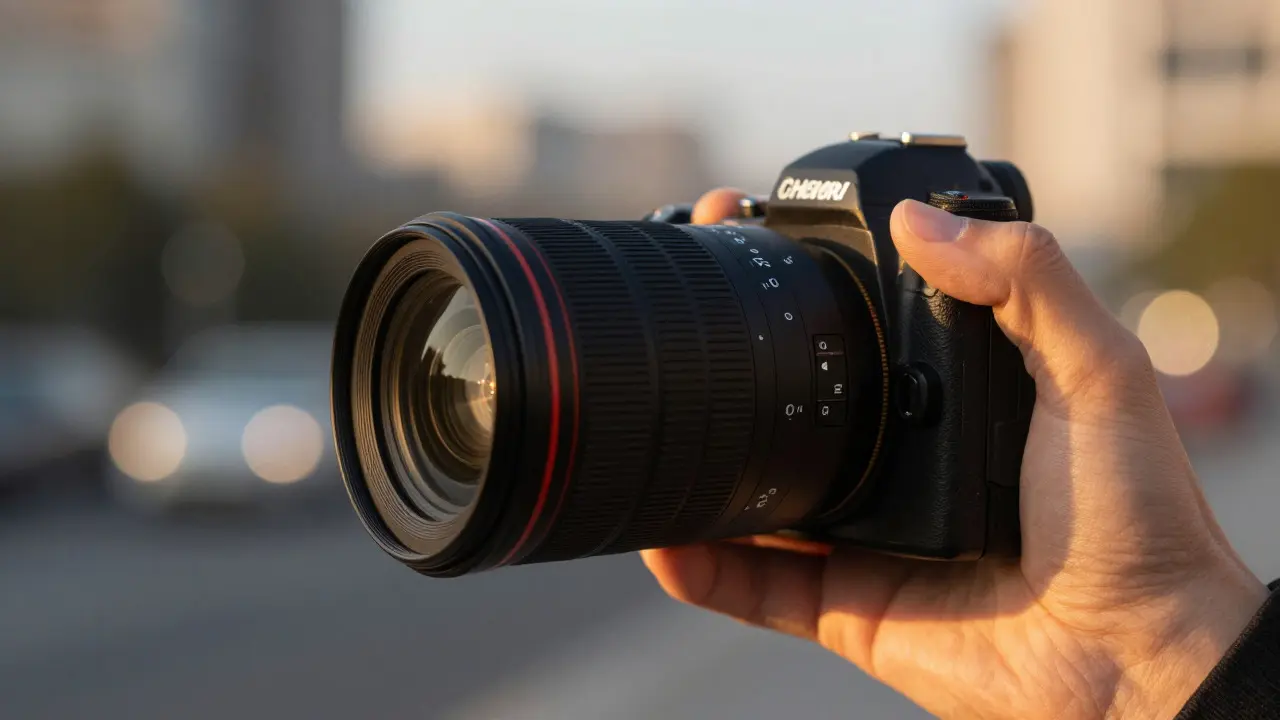
Ever taken a headshot where the nose looks unnaturally large or the background is a chaotic blur of unrelated objects? It’s not your subject’s fault. It’s likely the wrong focal length is the distance between the lens and the sensor that determines how much of the scene fits in the frame and how perspective is rendered. While any lens can technically take a portrait, two stand out in professional circles: the 50mm and the 85mm. These aren’t just popular choices; they are the industry standards for a reason. They strike a balance between natural perspective, manageable working distance, and flattering compression that makes faces look their best.
The Physics of Perspective: Why Distance Matters
To understand why these specific numbers matter, you have to look at how human eyes perceive depth. When you get too close to a face with a wide-angle lens (like a 24mm), facial features distort. The nose appears larger because it is closer to the lens than the ears. This is called perspective distortion. Conversely, if you shoot from very far away with a telephoto lens (like a 200mm), you compress the background, making it appear closer to the subject than it actually is. This flattens the image but can create a beautiful, creamy separation known as bokeh.
The 50mm and 85mm lenses sit in the sweet spot. They allow you to stand at a comfortable distance-usually 3 to 6 feet away for an 85mm and 2 to 4 feet for a 50mm-where facial proportions remain true to life. You aren’t distorting the face by getting too close, nor are you losing detail by standing too far. This natural rendering is why photographers trust these focal lengths for everything from corporate headshots to creative lifestyle portraits.
50mm: The Versatile Workhorse
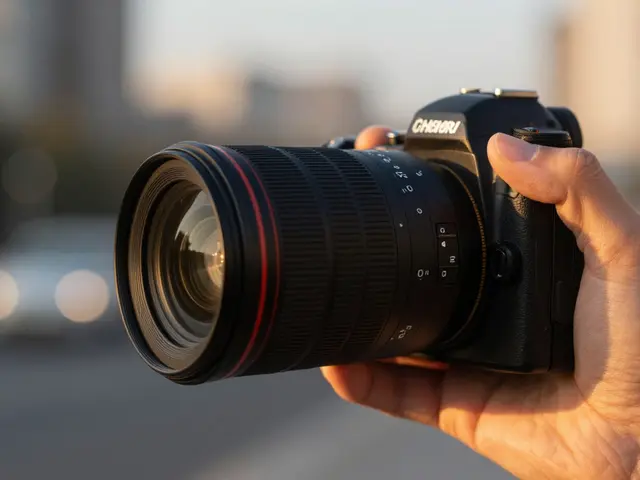
If you only own one lens, the 50mm prime lens is often a fixed-focal-length lens that offers a field of view similar to the human eye, providing natural perspective and excellent low-light performance. Often referred to as the "nifty fifty," this lens mimics how we see the world. It doesn’t exaggerate or compress dramatically. It just shows what’s there.
- Ideal Use Case: Environmental portraits where you want to include context around the subject without losing focus on their face.
- Working Distance: Closer to the subject, allowing for more intimate compositions.
- Aperture Advantage: Most 50mm lenses come with wide apertures like f/1.4 or f/1.8, letting in lots of light for indoor shoots.
- Size and Weight: Typically smaller and lighter than longer primes, making them easy to carry all day.
However, the 50mm has a limitation. Because the field of view is wider, isolating a subject from a busy background requires shooting at a wider aperture (lower f-number) and positioning carefully. If you’re in a cluttered room, a 50mm might struggle to create that smooth, blurred background that makes a portrait pop.
85mm: The Portrait Specialist
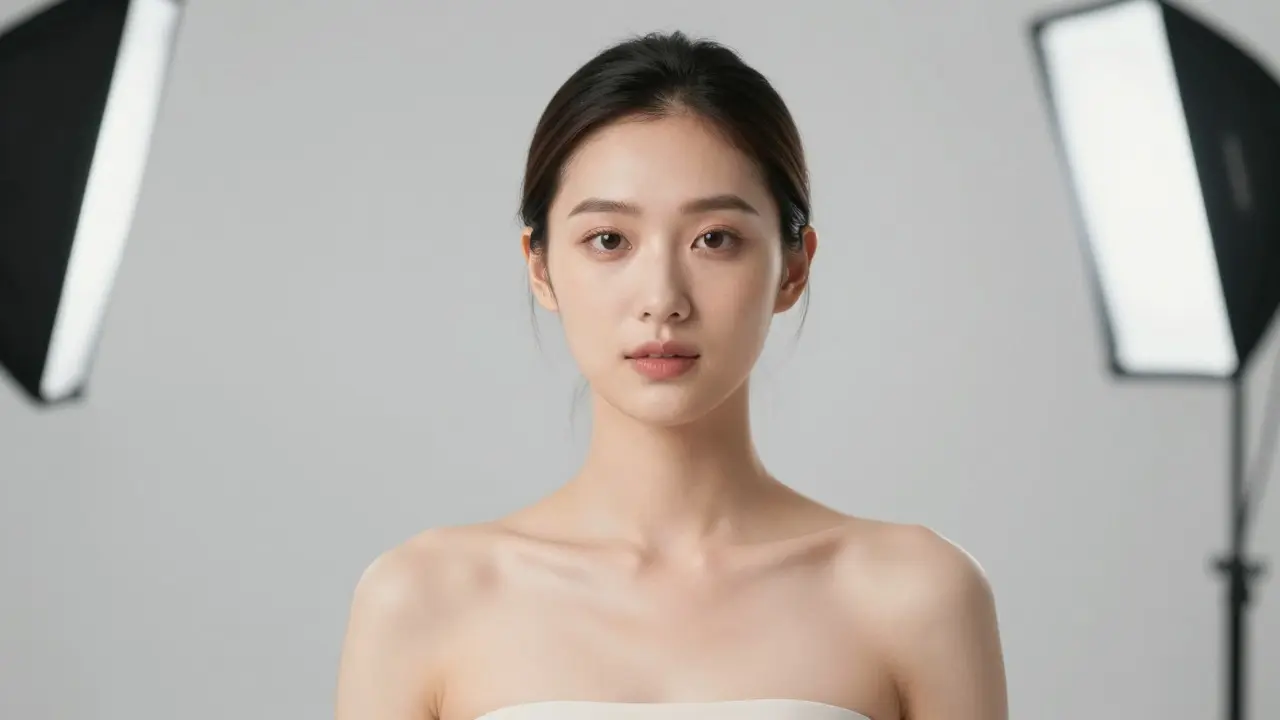
The 85mm prime lens is widely considered the the gold standard for portrait photography due to its optimal compression, shallow depth of field, and flattering facial rendering. It provides a slightly narrower field of view than the 50mm, which forces you to step back a bit. This extra distance works in your favor. It allows the background to fall further away from the subject, enhancing the separation effect even at moderate apertures like f/2.8.
- Ideal Use Case: Headshots, beauty shots, and situations where you want the background to melt away into softness.
- Working Distance: Requires more space behind the subject, ideal for studios or open outdoor areas.
- Compression Effect: Gently compresses the background, making elements appear larger and closer, which adds depth without distortion.
- Bokeh Quality: Produces smoother, more circular highlights in the out-of-focus areas compared to shorter focal lengths.
For many professionals, the 85mm is the go-to for client work. It flatters almost everyone. The slight compression tightens facial features subtly, and the ability to isolate the subject means fewer distractions in the final image. It’s less forgiving in tight spaces, though. If you’re shooting in a small apartment, the 85mm might force you to crop too much or lose important environmental details.
Head-to-Head: 50mm vs. 85mm
Choosing between these two often comes down to your shooting environment and artistic goal. Here is a direct comparison to help you decide which one fits your next session.
| Feature | 50mm Lens | 85mm Lens |
|---|---|---|
| Perspective | Natural, similar to human eye | Slight compression, flattering for faces |
| Background Separation | Moderate, requires wide aperture | High, easier to isolate subject |
| Space Required | Low, good for tight interiors | Medium, needs room behind subject |
| Field of View | Wider, includes more context | Narrower, focuses tightly on subject |
| Typical Aperture | f/1.4 - f/1.8 | f/1.2 - f/1.8 |
| Best For | Environmental portraits, street style | Studio headshots, beauty, fashion |
Notice how the 50mm wins on versatility and size, while the 85mm wins on pure portrait aesthetics. If you shoot mostly outdoors or in varied environments, the 50mm is incredibly adaptable. If you are doing studio work or need that classic "pro" look with creamy backgrounds, the 85mm is hard to beat.
Common Mistakes to Avoid
Even with the right lens, technique matters. One common error is standing too close with an 85mm. If you move within 2 feet of the subject, you start to reintroduce some perspective distortion, negating the benefits of the longer focal length. Keep a respectful distance to maintain that clean, compressed look.
Another pitfall is ignoring the background. With a 50mm, because the field of view is wider, you might accidentally include distracting elements like trash cans or bright signs. Always check your framing before pressing the shutter. With an 85mm, the risk is lower, but you still need to ensure the background isn’t too dark or cluttered, as the compression can make background elements appear larger than expected.
Finally, don’t rely solely on aperture for isolation. Positioning is just as powerful. Moving the subject further from the background increases the depth of field blur, regardless of whether you’re using a 50mm or an 85mm. Combine distance with a wide aperture for maximum impact.
When to Choose Other Focal Lengths
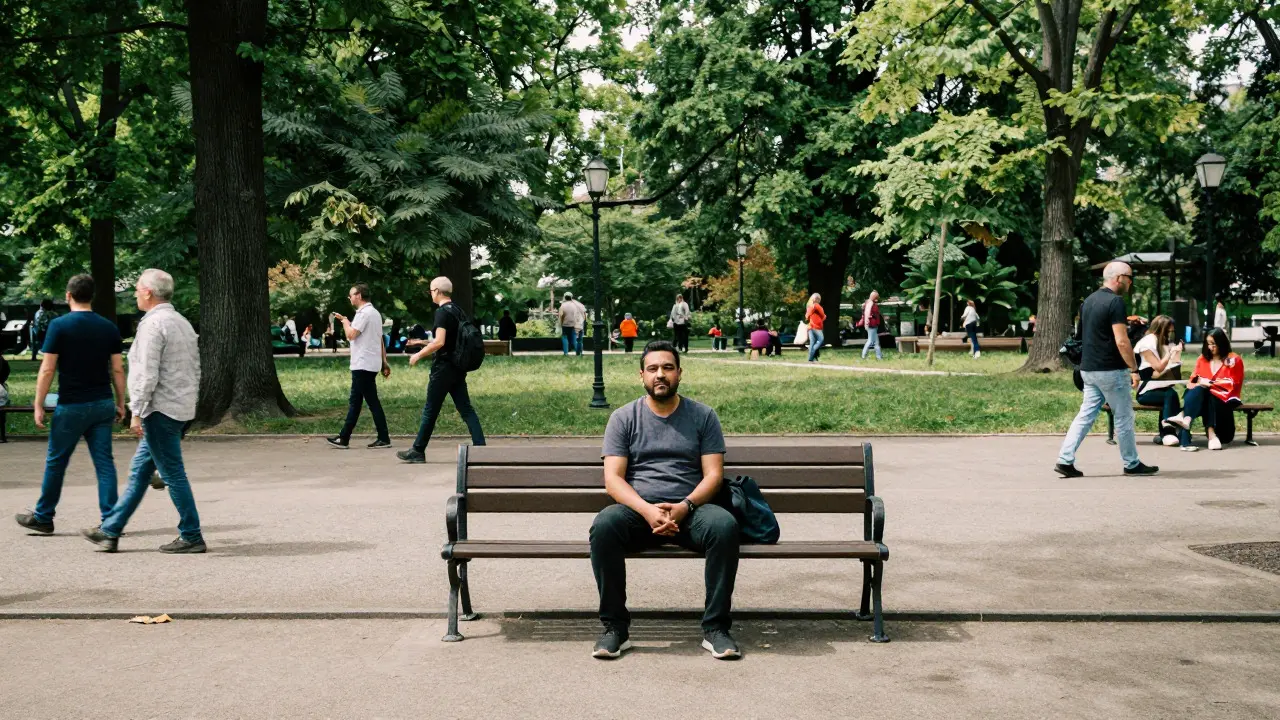
While 50mm and 85mm are the stars, they aren’t the only options. A 35mm lens is great for full-body environmental portraits where you want to show the person in their element. It’s wider, so you need to be careful about distortion, but it captures storytelling images beautifully. On the other hand, a 135mm or 200mm lens offers extreme compression and separation, perfect for fashion editorials or wildlife-style portraits where you want to freeze motion and isolate completely. But for general-purpose portrait photography, stepping outside the 50-85mm range usually introduces compromises in either flexibility or natural rendering.
Frequently Asked Questions
Is 50mm or 85mm better for beginners?
The 50mm is generally recommended for beginners because it is more versatile and easier to use in tight spaces. It teaches you composition and lighting fundamentals without the pressure of managing complex background separation. Once you master the 50mm, moving to an 85mm feels like a natural progression for refining your portrait skills.
Can I use a zoom lens for portraits instead of primes?
Yes, you can. Many zoom lenses cover the 50-85mm range, such as a 70-200mm f/2.8. These offer flexibility and are great for events. However, prime lenses typically have wider maximum apertures and sharper optics, which produce better bokeh and low-light performance. If budget allows, starting with a prime is often more rewarding for learning portrait techniques.
What aperture should I use for a sharp portrait?
It depends on your goal. For maximum background blur, shoot at the widest aperture (e.g., f/1.4 or f/1.8). For ensuring the entire face is sharp, especially if the subject is turning their head, stop down to f/2.8 or f/4. A good rule of thumb is to keep the eyes sharp; if the eyes are in focus, minor softness elsewhere is acceptable.
Does focal length affect skin texture?
Indirectly, yes. Longer focal lengths like 85mm compress the image, which can smooth out minor imperfections by reducing the apparent depth of blemishes. Wide angles like 35mm can exaggerate textures and shadows, making skin look rougher. This is another reason why 85mm is preferred for beauty and fashion portraits.
Which lens is lighter: 50mm or 85mm?
Generally, the 50mm lens is lighter and more compact. An 85mm lens, especially those with fast apertures like f/1.2, tends to be bulkier due to the larger glass elements required to gather light. If carrying weight is a concern, the 50mm is the winner for portability.